

When the leaves start to change and the weather cools down, excitement for Halloween spreads. Children start planning their costumes, excited for the popular holiday. Every year, Oct. 31 transforms into a day of tricks and treats. While this holiday is generally looked forward to and widely celebrated, its origin is commonly unknown.
The holiday started with an ancient festival of Samhain celebrated in Celtic Ireland on Nov. 1. The festival marks the end of harvest season and the beginning of the darker winter. The Celtics believe it to be a time when the veil between the dead and living is thin, allowing spirits to cross over. The Celtic people would invite their ancestors to their homes to honor them. The food that was prepared for the dead would be shared with the less fortunate, since the ancestors couldn’t eat. They would light bonfires and wear frightening costumes made of animal skin and heads to ward off evil spirits and ghosts. The Celtics also thought that the presence of otherworldly spirits made it easier for their priests to see into the future.
The holiday spread, and in the seventh century, the Catholic Church set Nov. 1 as All Saints’ Day, a day meant to honor the saints of the church. By the ninth century, All Souls’ Day was created to celebrate the dead. During the Middle Ages, poor people would visit the homes of wealthier families and receive pastries called soul cakes in return for the promise to pray for their ancestors. Known as “souling,” this became an early form of trick-or-treating.
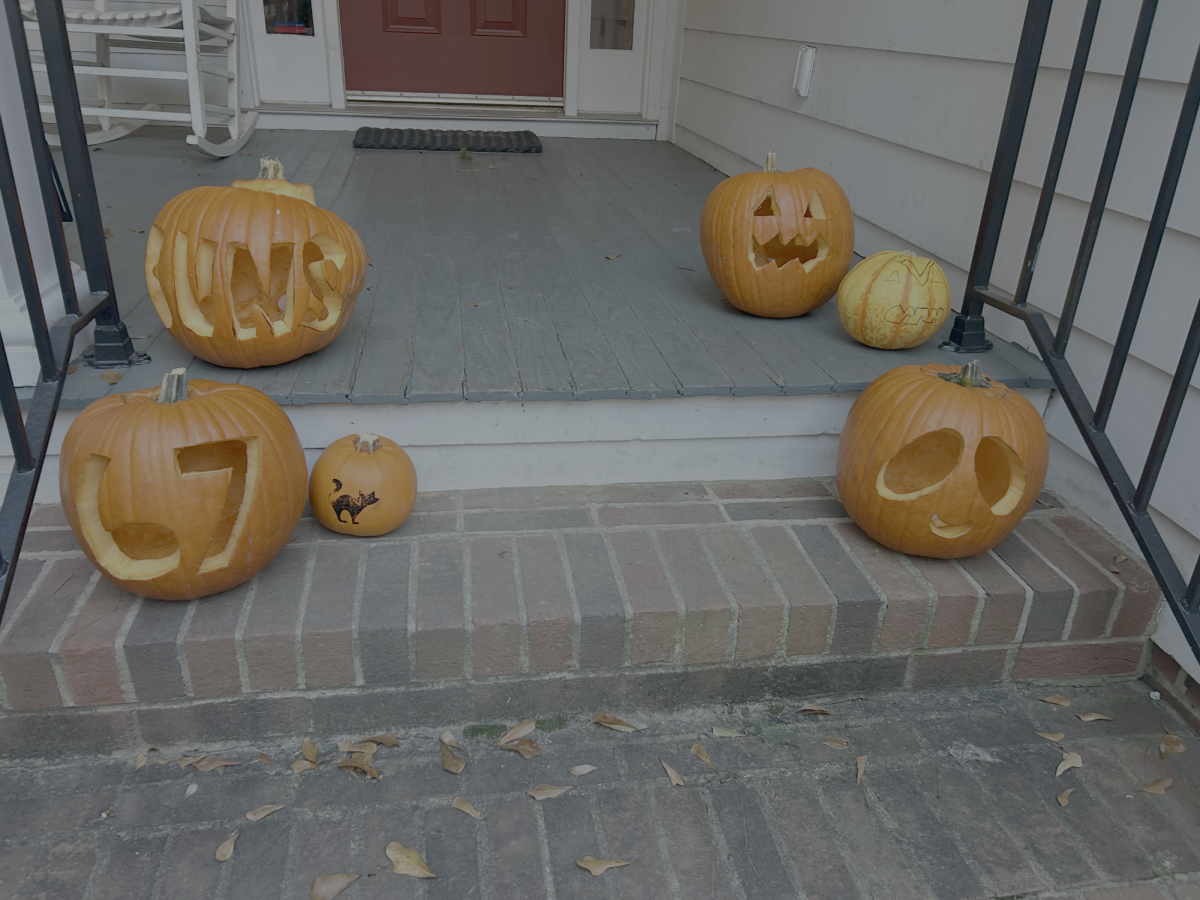
As the years progressed, new traditions such as carving jack-o’-lanterns and going to haunted houses were created. These activities later became some of the most well-known traditions of Halloween. Traditions have become more personalized to each family that creating long-lasting memories.
Margret Pipes (11), a Halloween enthusiast, shared some of her family’s traditions.
“My favorite part of Halloween is when I get together with my family and celebrate it with a fun party,” Pipes said.
Around the 20th century, Halloween celebrations and parties spread. Mass-produced box costumes became more affordable, allowing more kids to dress up and trick-or-treat. Costumes switched from frightening to humorous pop-culture attire. Easily recognizable characters from television shows and movies became a well-liked option, along with imaginative costumes, allowing the wearer to be creative.
Zachary Ortega (11) enjoys the season of Halloween and the fun festivities it brings.
“My favorite part of Halloween is dressing up as your favorite people or characters and watching scary movies. I really like the theme of Halloween with its scary mood, but it is also a fun atmosphere. It’s fun to see people’s costumes and how creative they can be with them,” Ortega said.
Halloween and horror movies have become an enjoyable activity with friends that allows you to feel the thrill of an adrenaline rush while being safe in your own home. Well-known movies such as “Hocus Pocus”, “Casper” and “The Nightmare Before Christmas” display fun Halloween themes and set the mood for a spooky season.
Raven LeBon (10) thinks that while many might not know of the origins of Halloween, it is still one of the best holidays.
“My favorite part of Halloween is getting to be with my family and friends, doing fun joint costumes. My favorite Halloween tradition is my family’s horror movie nights we do each year,” Lebon said.