

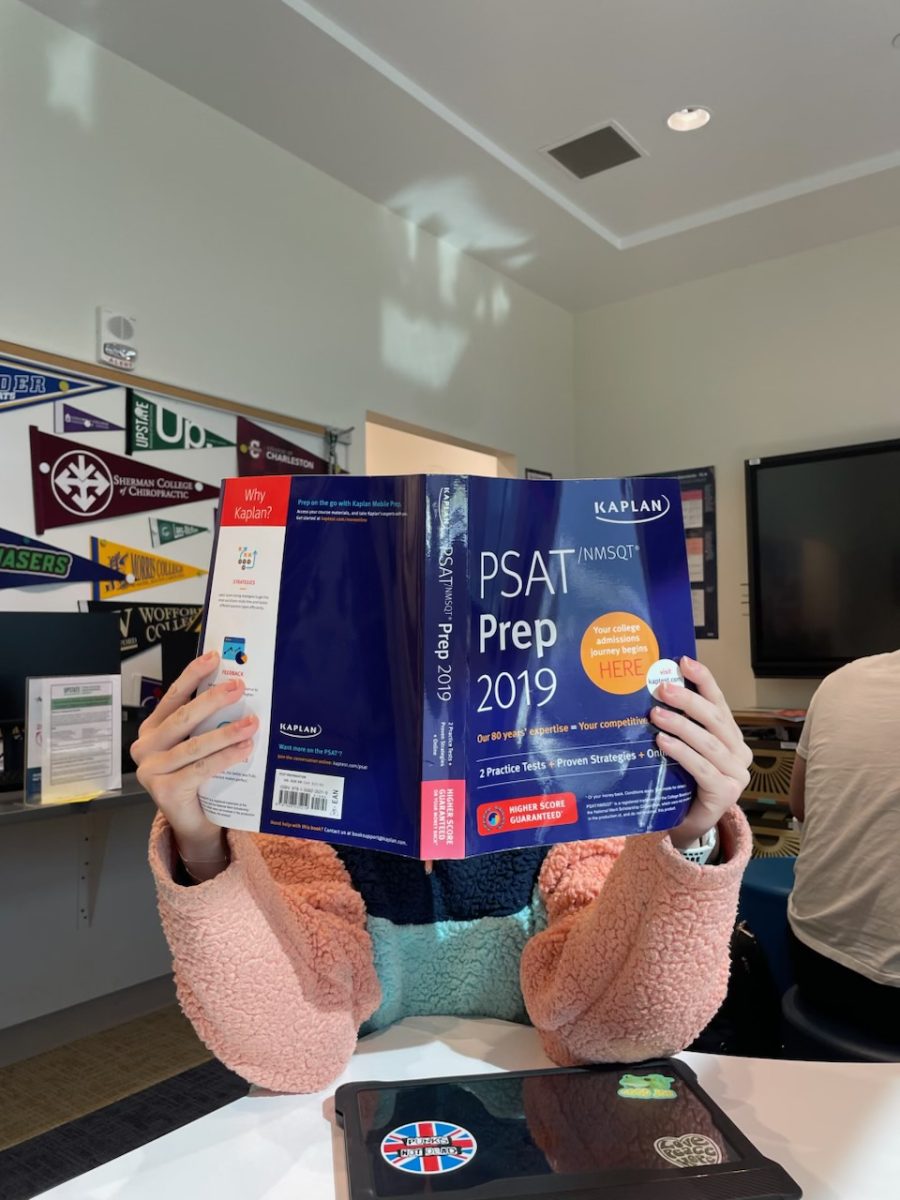
Far more than a simple practice run, the Preliminary SAT/National Merit Scholarship Qualifying Test (PSAT/NMSQT) serves as the essential qualifying exam for the National Merit Scholarship Program.
Since 1997, the “SAT” does not stand for anything. It originally stood for “Scholastic Aptitude Test,” but the College Board decided to simply use the abbreviation.
This prestigious competition can unlock life-changing opportunities for high-achieving students, offering college scholarships and valuable academic recognition. A strong performance on the junior-year PSAT can create significant, long-term opportunities, impacting students’ financial and academic success well beyond their high school years.
The scale of the National Merit competition is high. According to the National Merit Corporation, approximately 1.5 million students take the PSAT annually, with the top 50,000 scorers receiving recognition. Within this top group, about two-thirds (around 34,000 students) earn the title of commended students. This is a prestigious distinction that strengthens college applications, even though it does not lead to National Merit scholarships.
Nevertheless, commended students might qualify for special scholarships offered by various corporate sponsors. The highest scorers from each state, representing the top 1% of test-takers, are awarded the coveted semifinalist designation—an achievement highly sought after by universities.
Despite these clear benefits, a widespread lack of understanding persists among students regarding the PSAT’s potential.
Elizabeth Davis (11), a varsity soccer player, claims she knows a bit about the PSAT and the National Merit Scholarship program.
“I only know it’s a practice SAT to get students prepared to take the real SAT and give students opportunities to qualify for the National Merit Scholarship program. I think National Merit is just a program to highlight students who got a high score, and it helps them earn college scholarships,” Davis said.
Her statement illustrates a common disconnect, where students grasp the general concept but underestimate the exact implications of the National Merit program for boosting college applications and securing significant scholarship funds.
In contrast, other students recognize the test’s high stakes and approach it with serious intent.
Myers Brantley (11), a varsity tennis player and ethics bowl advocate, explains her opinion on the PSAT and has high expectations.
“I think it is a great practice for the SAT because it gives you accurate practice questions, but relieves the pressure of an actual standardized test. My target score is a 1520,” Brantley said.
The PSAT/NMSQT offers juniors a valuable opportunity to both prepare for the SAT and gain potentially life-changing recognition. Given the minimal risk and immense potential reward. It is recommended that students take the PSAT at least once before taking the SAT to gain experience in standardized testing.
Lauren Hicklin is a guidance counselor at Spartanburg High School who advocates the idea of taking the PSAT/NMSQT.
“The PSAT is a chance for juniors to practice taking a high-stakes test before it counts for college entrance. Collegeboard will also allow students to practice skills they may have gotten wrong. Based on your PSAT score, you may be selected as a National Merit Scholar,” Hicklin said.
Overall, the PSAT can help access free college planning resources, it can join a service that connects students with colleges and it is a confidence boost for future standardized tests.