

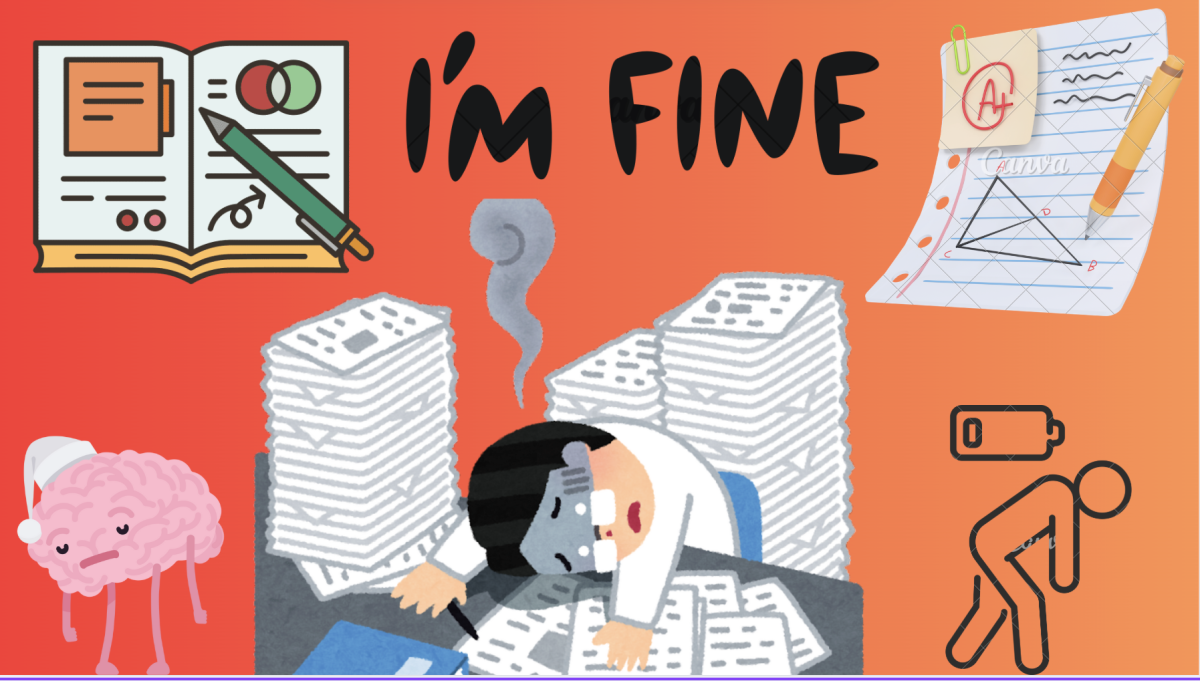
The modern life of a student can feel like a relentless race as it is fueled by late-night study sessions and a steady stream of assignments. The pressure to achieve high grades often overshadows the inherent joy of learning something new, pushing many students to the brink of academic burnout.
This issue has led to a critical debate: does our education system, and particularly our approach to homework, prioritize grades over genuine knowledge acquisition? And if so, what are the long-term consequences for students and society?
While doing homework can reinforce classroom lessons and build good study habits, the sheer volume of assignments often turns it into a source of stress rather than a tool for learning. Recent research has shown that excessive homework can lead to significant stress, sleep deprivation and a decline in academic motivation. According to a 2025 survey by Challenge Success, “homework was the top source of stress for middle and high school students, with more than half reporting that a portion of their homework felt like meaningless ‘busywork.’”
When students are overwhelmed by their personal lives and schoolwork, they may resort to shortcuts such as cramming for tests or copying answers. This yields a passing grade but completely undermines genuine learning.
Aryln Bentancourt-Palacios (9), a junior varsity soccer player and an honor roll student at Spartanburg High School, thinks that most of her homework subjects are just busywork.
“Oftentimes, I feel that the homework I receive does not reinforce or teach me something new, but rather takes up my time, which is limited from the start. I would learn much better if we were to actively learn in the classroom than passively learn at home,” Bentancourt-Palacios said.
A high grade can create a false sense of accomplishment. Many students have experienced the phenomenon of acing an exam and then forgetting the material days later, revealing the gap between temporary memorization for a grade and long-term knowledge retention.
Maddie Raynor (9), a book lover and an advanced placement student, dislikes staying up late and wishes she retained more knowledge from work completed at school.
“I totally think there is too much homework. Most nights, I’m up until eight at night or later doing homework. I am mostly working for the grade rather than knowledge, but I wish it were both. I believe most of it is just busy work with actual minimal knowledge being gained,” Raynor said.
The true objective of education goes beyond simply memorizing information; it is about kindling a vibrant flame of curiosity and accumulating knowledge within each student. This means that both schoolwork and homework should not be seen as a tedious chore solely designed to achieve a numerical grade, but rather as a strategic tool to help deepen understanding, spark critical thinking and foster a lifelong love of learning. By re-evaluating the purpose and quantity of homework assignments, educators can ensure they are meaningful, engaging and aligned with the ultimate goal of fostering a genuine desire for intellectual exploration, rather than simply achieving a numeric target.