

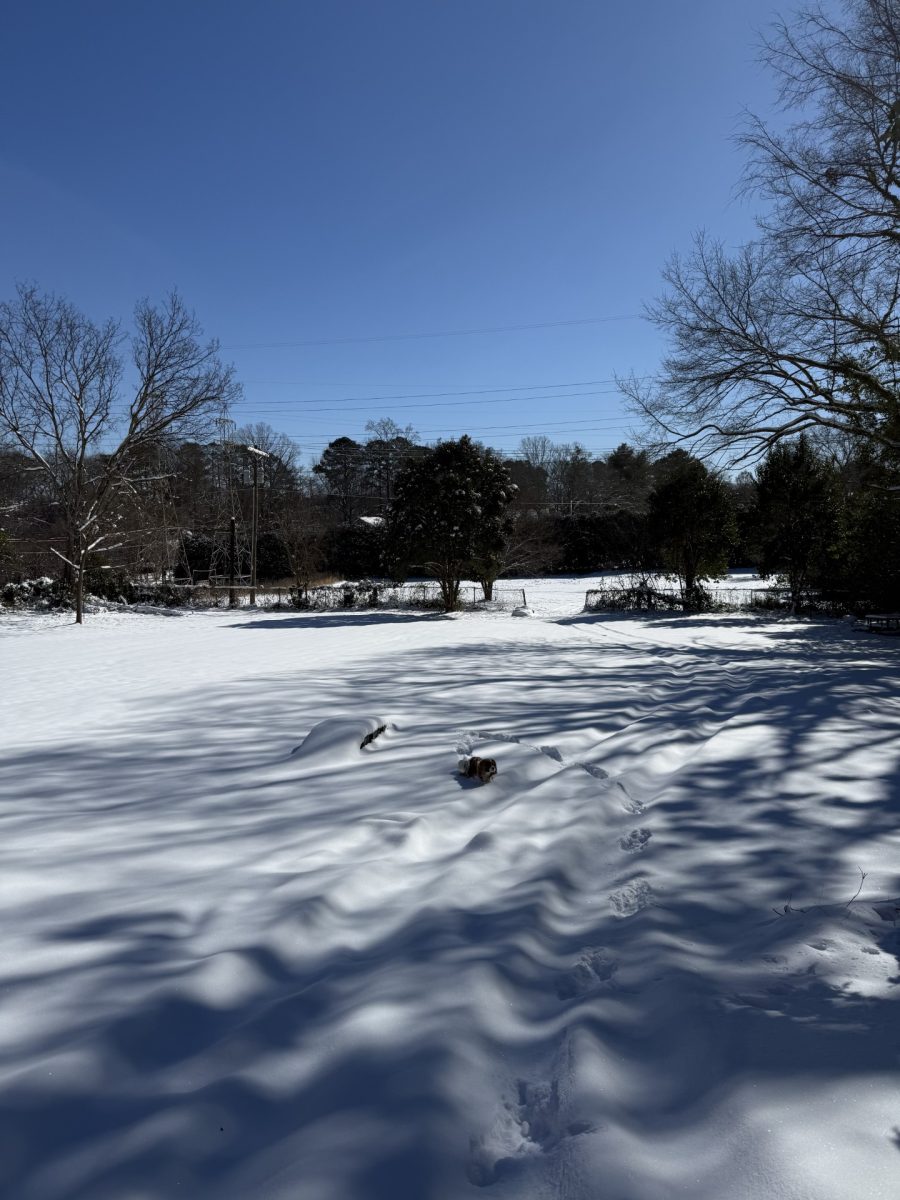
The primary driver for frequent school closures in the South is a lack of specialized winter infrastructure. Unlike Northern states, which maintain vast fleets of high-capacity snow removal equipment, Southern Departments of Transportation (DOTs) operate with limited resources.
For example, according to www.governor.ny.gov, the state of Georgia possesses approximately 568 pieces of snow removal equipment to cover over 59,000 square miles. In contrast, Northern entities like the New York Thruway Authority can deploy 345 large and medium-duty plow trucks for a single highway system, supported by over 114,000 tons of salt.
Furthermore, the effectiveness of road treatments is limited by southern climate patterns. The South is more prone to ice storms than snowstorms due to the interaction of warm Gulf moisture with shallow layers of arctic air. These conditions create treacherous driving surfaces that cannot be easily cleared by plowing. Additionally, the efficacy of road salt diminishes significantly as temperatures drop; it becomes “basically useless” below 15 degrees Fahrenheit. A threshold occasionally reached during southern cold snaps.
Lashia Brewton (12) believes there is a difference between the two areas regarding preparedness.
“The North was more prepared for the snow. I felt good about being out of school for the snow, but upset because I couldn’t go to work,” Brewton said.
Human factors also contribute to the necessity of closures. Most Southern drivers lack experience navigating snow and ice and typically utilize “summer” or all-season tires that provide inadequate traction in wintry conditions. This lack of preparedness often leads to gridlock and high accident rates when businesses and schools remain open during inclement weather. For instance, under-forecasting snow in Atlanta previously resulted in massive traffic gridlock as schools attempted to dismiss students early into deteriorating conditions.
Za’keria Douglas (11) shares her beliefs on the Northern infrastructure and school.
“I believe the North has experienced much more unexpected weather issues, allowing them to be more prepared. I was extremely happy when we got days off from school for the weather crisis that recently happened in the South,” Douglas said.
School superintendents in the South must consider factors beyond road conditions, including student exposure and building resilience. Extreme cold is a primary concern for children waiting at bus stops, as southern students may lack the specialized cold-weather gear common in the North.
Southern school facilities are often not designed for prolonged freezing temperatures, leading to risks such as burst pipes and loss of critical utilities. Winter storms in the Southeast frequently cause widespread electrical failures. In early 2026, over 75,000 customers in Mississippi and Tennessee lost power due to ice and frigid temperatures, complicating school reopening efforts.
Recent research by the American Psychological Association (APA) suggests “that behavioral interventions and clear risk communication are essential for community safety during extreme weather,” according to the American Psychological Association. Perceptions of risk are often shaped by prior disaster experiences, such as the 2024 winter storm in Spartanburg, which caused catastrophic power outages across the East Coast. While critics may view southern closures as an overreaction, these decisions are often based on a “sweet spot” for safety; while some northern districts may stay open after 10 inches of snow, southern districts may close with fewer than 2 inches to prevent hazardous travel and infrastructure failure.