

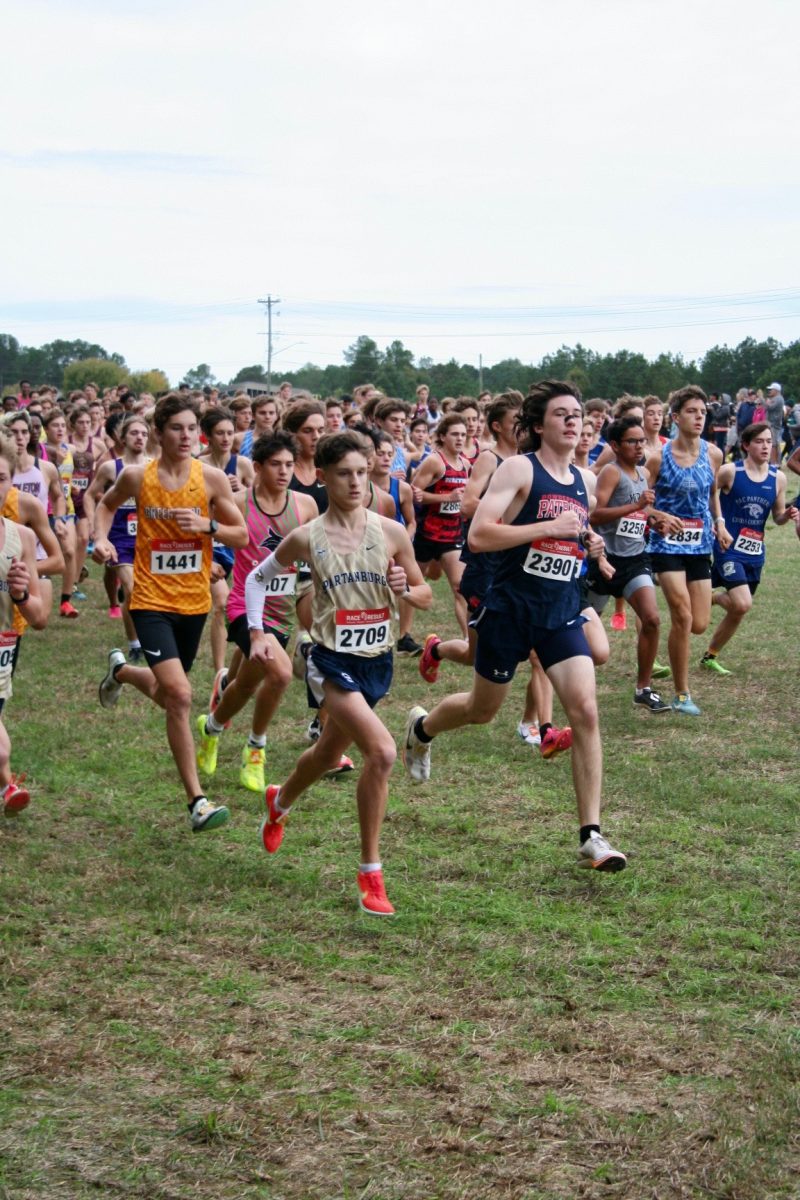
Before players hear the starting horn of the game or when runners are lined up at the start line, they can often feel their heart race or their breath become shallow. This is the effect of adrenaline, also known as epinephrine. An athlete’s anxiety or excitement over a competition can kick in their adrenaline. Athletes commonly use the name “butterflies” to describe the feeling before competition jitters. Adrenaline is released by a small hormone-producing organ that sits on the kidneys, called the adrenal glands. The glands trigger the body’s fight-or-flight response, which can cause an increased heart rate, blood pressure, oxygen flow and sensory awareness. Adrenaline can be beneficial and detrimental to an athlete’s performance.
When managed correctly, adrenaline can be used as an advantage in sports events. It can increase endurance, reaction times and speed. The increased heart rate pumps more blood into working muscles and organs, benefiting them with more oxygen and nutrients. Adrenaline also mobilizes carbohydrate and fat reserves that break down into glucose and energy, creating sustainable and quick energy.
Nate Wagner (12) plays on the Spartanburg High School boys soccer team and feels his nerves before many games.
“I always feel a little bit of adrenaline before games, but that’s probably because my life is like a movie. I feel like the more adrenaline I have, the more intensity I play with. When I feel calm, I typically get distracted and don’t play my best,” Wagner said.
According to dextro-energy.com, adrenaline can increase attention and is a “natural performance booster.” Athletes can focus on adapting to changing situations and make better choices as a result. Studies have shown that adrenaline improves memory performance. Memory performance is the athlete’s ability to remember information and movement techniques. Memory performance is often used in tennis, soccer, basketball and golf.
Zachary Miller (12) is on the SHS varsity track team and believes his adrenaline affects his focus.
“I think adrenaline affects my track performance because it helps me focus and get rid of distractions that normally would mess me up before I run. If I zone out everything else, then I perform good. During a high-adrenaline moment, things seem to go out of focus. I only focus on my lane and the finish line, everything else, like my body, competitors, spectators, it’s like they aren’t there,” Miller said.
Unfortunately, excessive adrenaline can create overwhelming stress and can undermine performance. Signs of an adrenaline overload are muscle tightness and overthought or rushed decisions. Extreme stress results in impaired fine motor skills and loss of technical precision. As well as physical disadvantages, extreme adrenaline can cause mental distress. Depression, anxiety and irritability are common results of adrenaline stress.
Emma Kate Greene (10) competes on the Spartanburg High School swimming team and believes her adrenaline pushes her to perform well.
“I always get nervous before meets because I always want to get better and faster each time, and sometimes I’m signed up for events that are not my best. Adrenaline really helps my swimming performance because it pushes me to work harder and do my best for myself and for my team. It also makes me nervous because I want to do my best, but I also don’t want to disappoint my coach or my teammates,” Greene said.
Finding the right way to manage “butterflies” can help create a balance between overpowering energy and calm levelheadedness required for athletic performance. Having a pre-competition routine and mental preparation can help with tension and anxiety. Positive affirmations will boost self-confidence and help calm nervous thoughts. Listening to music that exudes energy and implants self-confidence can distract athletes’ minds from the pressures of games. Breathing techniques before, during and after competition can release tension throughout the body. By managing stress, adrenaline becomes an advantage that athletes can wield.